



Summer camp activities haven’t changed as much as you’d think — and they’ve also changed completely. Capture the flag still fills a field with chaos and mirth. But now it might be followed by a STEM activity, a mindfulness circle, or a stop-motion animation workshop.
The best camps right now aren’t choosing between old and new. They’re doing all of the above crammed in the same session.
The programs that keep enrollment strong know when to lean into nostalgia and when to add something new. This guide breaks down both — by activity type, by age group, and by theme — so you can build a calendar that gives families what they came for and gives campers a reason to come back.
Your Activity List Is Your Best Enrollment List
The activities you list in your summer camp registration materials are doing marketing work whether you intend them to or not. Families read that list and make enrollment decisions based on what they find.
A camp that lists “sports, arts, and crafts” tells families almost nothing. A camp that lists “capture the flag, tie-dye, campfire cook-outs, and a different science challenge each day” tells families exactly what Tuesday looks like. The second list wins the registration.
That’s where this guide starts. Not with what’s fun — with what works.
Old-School Summer Camp Activities That Never Get Old
Some activities have been on camp schedules for decades because they work. They build community quickly, require minimal equipment, and hold up across all age groups.
Classic Outdoor Games
Capture the flag, tug-of-war, relay races, kickball, and keep-away have been summer camp staples for generations. High-energy, team-based, and genuinely fun, with little setup besides a field and a group of kids who want to win.
A few upgrades worth knowing: glow-in-the-dark capture the flag with glow-in-the-dark stickers or LED bands for evening play, water-balloon dodgeball on hot days, and obstacle-course relays that push the format without losing what makes it great.
Traditional Crafts
Friendship bracelets, tie-dye, lanyards, dreamcatchers, painted rocks, and nature mosaics have been craft room staples for a reason. Accessible to every age and skill level, scalable to any budget, and kids take them home as physical proof they were there. Even three-year-olds experiencing their first summer camp day can make a beautiful, tear-jerking Leaf Mommy portrait; a large crinkled leaf taped to a piece of paper with ‘leaf mommy’ written on it for their mom.
Tie-dye, in particular, is a classic that has experienced a cultural resurgence and works just as well with teenagers as with younger campers. Don’t retire it.
Campfire Staples
S’mores, campfire songs, ghost stories, Telephone, Two Truths and a Lie, and Duck-Duck-Goose are irreplaceable because they do something structured activities can’t: they slow camp down. They create unpredictable moments that families describe when they say camp changed their kid. Just don’t blame the counselor when your kid is singing Black Socks for the three-hundredth time in the shower.
If your program doesn’t have a campfire tradition — even a figurative one for day camps — build one. It becomes the thing campers look forward to all week.
Water Activities
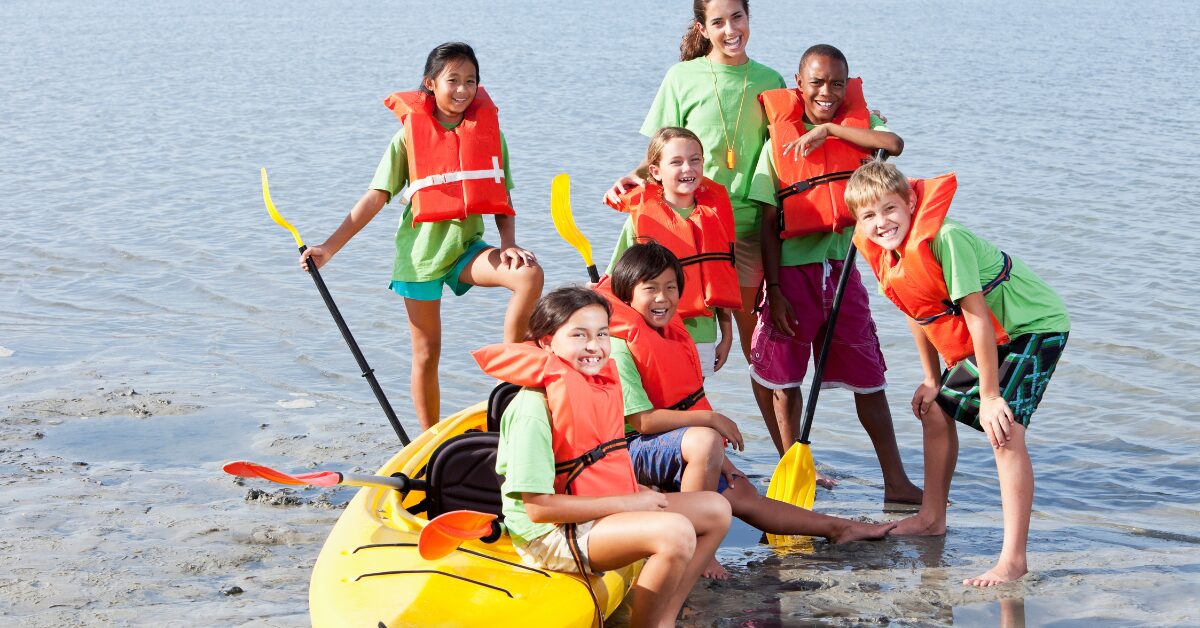
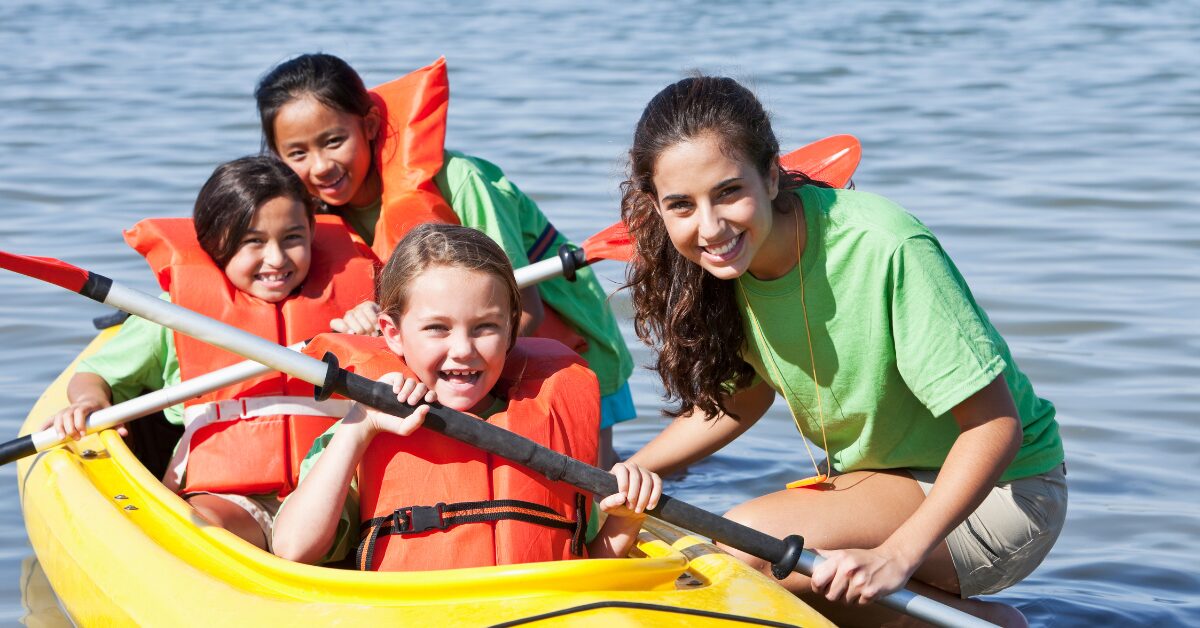
Swimming, canoeing, kayaking, fishing, and sponge relay races connect directly to the outdoors-and-sun experience families are paying for. For programs without waterfront access, slip-n-slide races and sponge tag fill the gap well. On hot days, as long as there is access to water, such as a spigot, trust campers to get creative and make their own fun. Pass the water, Rube Goldberg machines, or simply take a water bottle and douse your friends. Nothing planned, but memories created from the need to keep cool.
Your summer camp registration forms need to capture swimming ability, comfort level, and any relevant medical notes before the season starts. That information matters on day one.
Modern Summer Camp Activities Worth Adding To Your Calendar
Modern doesn’t mean replacing what works. It means adding programming that reflects what communities expect from a summer camp in 2026: learning that doesn’t feel like school, creativity that isn’t just arts and crafts, and wellness built into the day.
STEM and STEAM Challenges
Coding basics, robotics kits, chemistry challenges — bridge-building, egg drops, wildlife watching — science experiments, and stop-motion animation are among the most requested additions to camp programming right now. Short, hands-on blocks focused on building and testing, not lectures.
Parents worried about summer learning loss are actively searching for STEM programming. Explicitly naming your STEM block in registration materials is worth doing. “Engineering challenge” is more enrollable than “STEM activity.”
Mindfulness and Wellness Activities
Yoga, mindfulness, journaling, appreciation circles, and guided nature walks are now expected programming, especially for older campers. They also reduce behavioral incidents mid-session by giving campers a structured way to regulate between high-energy blocks.
A morning of capture the flag, followed by a ten-minute breath workshop before lunch, is a schedule that works because it brings balance, rather than forcing exhaustion.
Digital Creativity and Media Literacy
Stop-motion animation, basic photography, podcast recording, short filmmaking, and social media storytelling workshops feel current without requiring heavy tech infrastructure. Tablets and a camera are usually enough.
These land well with older campers and teens who engage with digital content daily but rarely get to create rather than consume. Framing them as “creator skills” in your enrollment copy is more compelling than “tech activities.”
Life-Sized and Hybrid Game Formats
Human chess, giant Jenga, life-sized Clue, escape room challenges, and human foosball are modern twists on familiar formats that work across every age group. They require strategy and teamwork, scale easily for large groups, and generate the kind of energy that becomes a camp story.
They also photograph well. If you’re building out your social media or camp marketing, these are the shots families share. These life-sized, larger-than-life games have been part of summer camp for years, the most memorable being the giant parachute.
Age-Specific Summer Camp Activities: Planning Across Your Groups
One of the most common scheduling mistakes is building a single activity calendar and applying it across every age group. What works brilliantly for an eight-year-old loses a fourteen-year-old in the first five minutes.
Ages 5–7: Play-Based, Sensory, Short
Young campers need high sensory engagement, short activity blocks, clear rules, and a lot of encouragement. Parachute games, simple scavenger hunts, sensory art — shaving cream painting, oobleck, nature collages — water play, storytelling circles, and call-and-response songs all work here.
Keep transitions fast and predictable. This age group remembers feelings more than activities. Your goal is to end every block with a win.
Ages 8–12: Challenge, Teams, Competition
This is the sweet spot for most classic camp activities. Capture the flag, relay races, tie-dye, campfire cooking, STEM engineering challenges, scavenger hunts with clues, talent shows, and team sports all land well here. Kids this age want to compete, collaborate, and feel competent.
Run activities in blocks of 45–60 minutes with clear objectives. Mix cooperative and competitive formats throughout the day.
Ages 13+: Autonomy, Skill, Depth
Teenagers disengage quickly from activities that feel childish or overly structured. What works: skill-based programming — cooking, woodworking, photography, coding — leadership challenges, escape room-style problem solving, creative projects with real output, and unstructured free periods they actually control.
The most effective teen programming gives campers something to show for their week. A finished product, a documented achievement, a skill they didn’t have on Monday.
How to Build a Themed Summer Camp Activity Week
Themed weeks give the schedule a spine. They make staff planning easier, give campers something to look forward to, and create natural marketing content along the way. The right theme makes every activity — from morning games to afternoon crafts to campfire — feel like part of the same story.
Classic Themes That Still Deliver
Color Wars, Olympics, Around the World, Superhero Day, Carnival/Midway, Spirit Week, Backward Day, and Decade themes like 80s Day have been stress-tested across all age groups and formats. They work because families and returning campers already have expectations — and meeting those expectations builds tradition.
Modern Themes Worth Adding
Mad Science, Space Explorers, Wilderness Survival, Eco Camp, DIY Maker Week, Global Games, Time Travel, Detective Camp, and Maker Faire-style Innovation Days give contemporary camps a distinct identity. They connect directly to the STEM and STEAM programming families increasingly look for during summer camp registration.
How Themes Drive Registration
Publishing your weekly themes before enrollment opens is an underused strategy. Families who see “Week 3: Mad Science + Rocketry” before they register are more likely to choose that week and remain enrolled in it.
Named themes turn a generic five-week camp into five distinct, choosable experiences. That’s the difference between a family picking any open week and a family picking yours.
Frequently Asked Questions
What Are The Best Activities for Summer Camp?
The best summer camp activities balance physical energy, creative expression, and social connection. Capture the flag, tie-dye, and campfire games are the ones campers ask for again. STEM engineering challenges, mindfulness circles, and life-sized games round out a calendar that works for today’s programs.
How Many Activities Should a Camp Have Each Day?
Most camps run four to six activity blocks per day, leaving room for meals, transitions, and rest. Younger campers do better with shorter blocks of 30–45 minutes. Teens and older campers can handle 60–90-minute blocks — longer is fine when the activity has depth.
What Are Some Fun Summer Camp Theme Ideas?
Popular theme ideas include Color Wars, Mad Science, Space Explorers, Around the World, Superhero Day, Wilderness Survival, Spirit Week, Carnival/Midway, 80s Day, and Eco Camp. Pick themes that connect to your actual activity calendar — a theme that touches games, crafts, meals, and campfire gives campers a full week, not just a name on the schedule.
Pro Tips for Camp Directors: Building an Activity Calendar That Actually Works
- Balance energy levels across the day, not just across the week. A morning of high-intensity outdoor games, followed by a creative craft block, followed by free swim, is a day that works. Three high-energy activities in a row is a behavioral incident waiting to happen.
- Name your activities specifically in your enrollment materials. “Life-sized chess on the field” is more enrollable than “team games.” “Engineering challenge” beats “STEM activity.” Specificity sells.
- Always have a backup for weather, energy level, and equipment failure. Every outdoor activity needs an indoor version. Building your backup activities into your planning calendar isn’t pessimism — it’s professionalism.
- Keep one classic and one modern activity in every themed week. Returning campers should find the traditions they remember plus something new to talk about. That combination is what makes themed weeks feel fresh without feeling unrecognizable.
- Use activity preferences on your summer camp registration form. A simple intake question — “What activities are you most excited about?” — gives you enrollment data and makes families feel heard before camp even starts.
- Age-appropriate doesn’t mean age-segregated. Some of the best camp activities scale in difficulty and work across groups at the same time. Cross-age programming builds community and gives older campers informal leadership practice.
- Track what actually lands — and let that shape next year’s calendar. The activities campers ask for again the following week are your data. Good camp management software can log activity feedback alongside enrollment records, so planning next summer starts before this one ends.
The Roster Fills Itself
The best activity calendars aren’t built from a list. They’re built from knowing your campers, your age groups, and when to lean on what’s proven versus when to try something new.
Old-school games and crafts work because they always have. Modern activities work because families expect them and campers genuinely want them. The combination is what keeps your roster full.
The calendar is already there. You just have to build it on purpose.
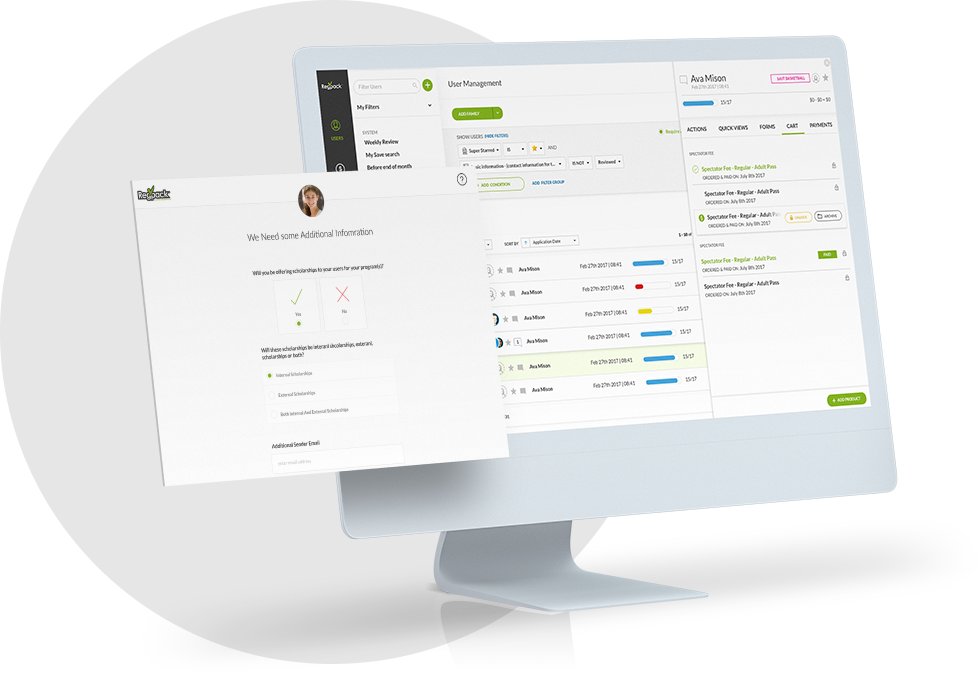
Ready to make your summer camp registration work harder for you? Explore our camp management software to see how session planning, activity tracking, and smart enrollment tools save you time — and help you build a summer that sells itself.