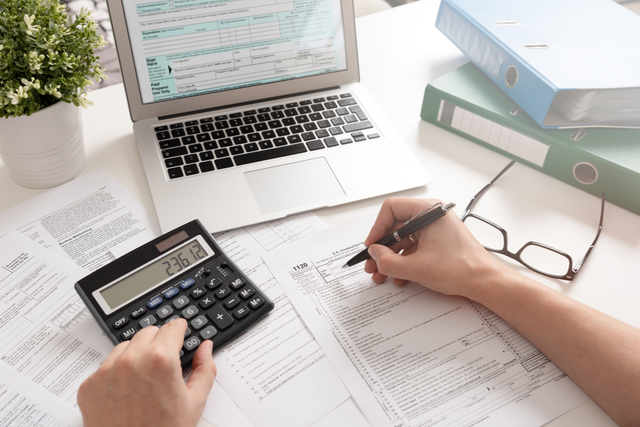
Invoicing feels like paperwork until you are the one waiting on the money. And plenty of businesses are waiting: the Intuit QuickBooks 2025 Small Business Late Payments Report found that 56% of US small businesses are owed money on unpaid invoices, averaging $17,500 each. A surprising amount of that delay traces back to the invoice itself, to a missing detail, a vague line item, or an unclear due date. Getting the document right is one of the cheapest ways to get paid sooner.
What Information Should an Invoice Include?
Start with the basics that make an invoice usable. Label the document clearly as an invoice so it is not mistaken for a quote or receipt, and give it a unique invoice number you will never reuse, since that number is how you and your client track the purchase later. Add the issue date, because your payment terms usually count from it.
From there, the invoice has to say who is involved and what it covers. Include your business name, address, email, and phone, then the client's details in a clearly marked "Billed To" section to avoid confusion.
Describe each product or service specifically, list the quantity and unit price for every line, and show any taxes and discounts near the subtotal so the total is easy to follow. Close with the amount due, a due date, and clear instructions for payment.
What Makes an Invoice Legally Valid?
This trips up a lot of small business owners: the US has no federal invoicing law. Requirements come from your state and your industry, not a single national rulebook, so what you must include can vary depending on where and how you operate. The one habit that applies almost everywhere is recordkeeping. The IRS advises holding onto invoices with your other tax records for at least three years. An invoice does not need fancy legal language to hold up. It needs to be accurate, complete, and saved.
Which Invoice Details Actually Get You Paid Faster?
Small wording choices move the needle more than most people expect. In a FreshBooks analysis of payment terms, invoices that stated a short, specific window like "7 days" were paid within a week about 58% of the time, compared with roughly 40% for "30 days." Spelling out an exact due date, day, month, and year, beats vague phrasing like "due on receipt" or a bare "Net 30."
Tone helps too. The same analysis found that invoices including "thank you" were paid within a week about 45% of the time and were among the most likely to be paid at all. Beyond wording, the practical wins are clarity and reachability: a specific line-item description, a named contact, and the right recipient. An invoice that sends accounts payable hunting for what a charge means or who to call is an invoice that sits.
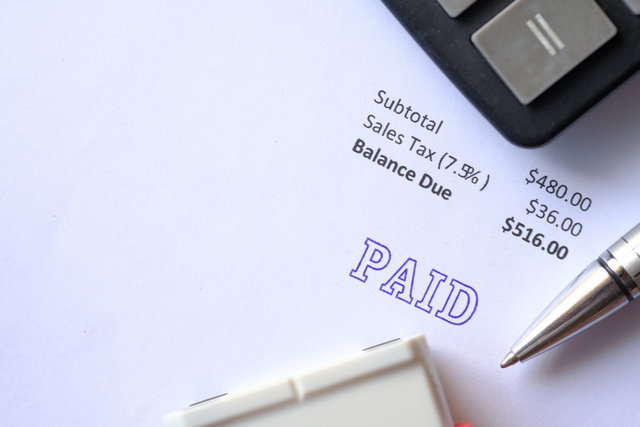
Why Do Invoices Get Paid Late?
Often for boring, fixable reasons. Manual invoicing invites forgotten sends, typos, and invoices addressed to the wrong person, and each of those quietly adds days or weeks. The scale is real: alongside the $17,500 average owed, the QuickBooks report found 47% of small businesses carrying invoices more than 30 days overdue, and Fundbox has estimated US small businesses are collectively owed around $825 billion. Very little of that is customers refusing to pay. Much of it is friction that a cleaner process removes.
How Does Invoicing Software Help You Get Paid on Time?
This is where automation earns its place. A registration and payment platform like Regpack lets you build invoice templates, adjust them per client, and schedule when each one sends, so a billing date never slips through the cracks. Because the invoices live online, they are easy to find and track. The system can flag anything more than 30 days overdue so you can follow up or add a late fee, and clients can pay in full or in installments. For most businesses, moving invoicing online is the most reliable way to stay consistent and get paid when you should.
The Bottom Line on Building an Invoice That Gets Paid
A good invoice is not complicated: it is just complete. Label it, number it, say who owes what, describe the work clearly, and give a specific due date with an easy way to pay. Save your records, keep the wording clear, and let software handle the sending and follow-up so nothing slips. Most late payments aren’t a client problem; they are a friction problem. A clean invoice removes that friction and makes the payment process effortless.
See your numbers
Get a personalized, no-commitment savings report.
Have a question?
Ask Regpack AI anything.